Migration. West African Arrivals to Europe Drop 59 Per Cent as Routes Turn Deadlier, New IOM Data
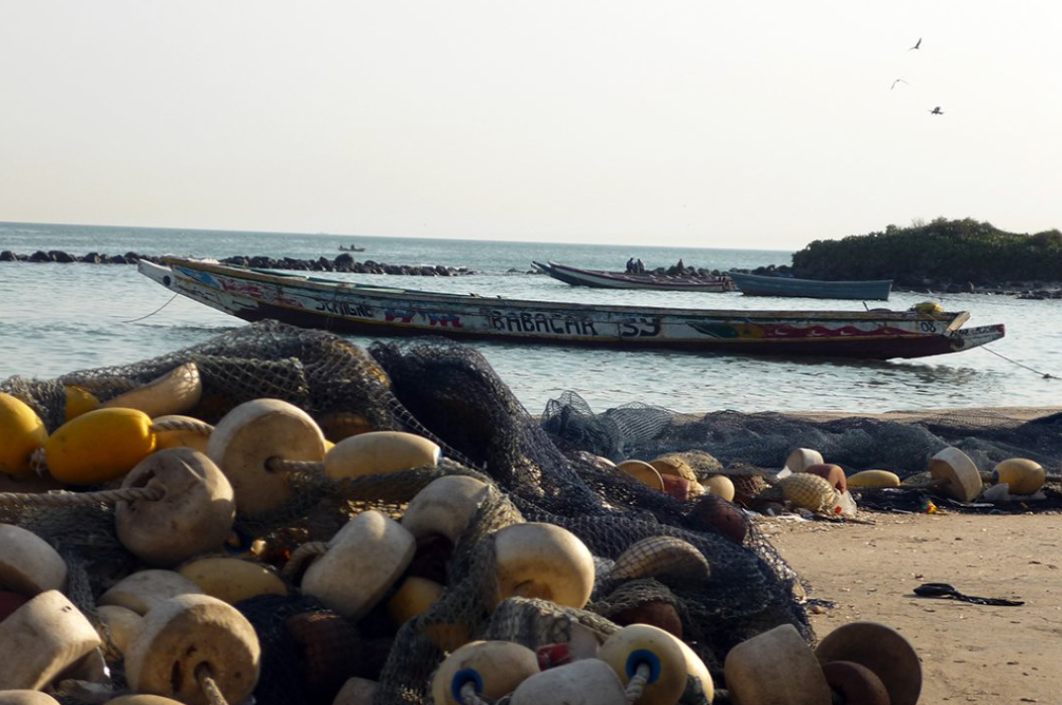
Geneva/Dakar, 13 October 2026 – Fewer people from West Africa are reaching Europe by sea, but the journey has not become safer. Arrivals from four major West African countries of origin fell by 59 per cent in the first half of 2026 compared with the same period in 2025, according to new data from the International Organization for Migration (IOM). However, the factors that drive migration remain, and dangerous journeys continue across multiple routes.
“Fewer arrivals in one place doesn’t mean the pressures have gone away,” said IOM Director General Amy Pope. “They often just shift to other routes. That’s why we need to look at the whole journey, from where people leave to where they arrive.”
A total of 4,566 people from Mali, Senegal, Guinea and The Gambia were registered arriving in Europe by sea during the first six months of 2026. The West African Atlantic Route (WAAR) remained the principal route, with West African nationals accounting for 83 per cent of arrivals registered in Jan-June 2026. This is followed by the Western Mediterranean Route (WMR) with 21.9 per cent (up from 15.6 per cent in 2025) and the Central Mediterranean Route (CMR), with 10.5 per cent (up from 8.6 per cent in 2025).
While absolute figures on arrivals are down, the increase in proportion of West African nationals across Mediterranean routes, points to a shifting migration landscape, underscoring the need to monitor developments across routes.
The decline comes amid ongoing joint efforts by countries of origin, transit and destination to strengthen migration governance and institutional capacity, expand protection and reintegration support, and deepen bilateral and regional cooperation.
However, the decline in arrivals presents only one side of the picture. Data on departures and interceptions indicate that people continue to attempt these journeys, underscoring that the drivers of irregular migration persist across routes, and that sustained action is key to reducing risks, expanding opportunities and making migration safer.
Pressure at key transit points between West Africa and Europe remains a critical concern, requiring sustained, focused and comprehensive joint efforts to address protection needs, support transit communities and make migration safer.
Data from the West African Atlantic Route show that while arrivals to the Canary Islands fell considerably since the 2024 peak (62 per cent decrease from 2024 to 2025), recorded deaths and disappearances remained broadly unchanged, falling 4 per cent from 2024 to 2025 (1,215 to 1,172), highlighting how the route has become much more dangerous for migrants. The geography of departures is also changing. Increased controls in traditional embarkation areas in Morocco, Mauritania and Senegal have contributed to a southward dispersion towards The Gambia, Guinea and Guinea-Bissau.
These alternative departure points can add up to 750 kilometres to the crossing, extending some journeys to approximately 2,200 kilometres and exposing people to longer periods at sea, more remote and less monitored coastlines, and greater risks of shipwreck, dehydration and disappearance.
“No single country can solve this alone,” Ms. Pope added. “We need to protect migrants wherever they are, create real opportunities for young people and work together across borders. When we do, lives are saved.”
The findings of the report reinforce why a comprehensive route-based approach is essential. Developments in one location can influence movements elsewhere, and migration dynamics cannot be fully understood through a single-country lens. Effective responses therefore need to connect protection, access to services, livelihoods and opportunities in communities of origin, support for migrants and communities in transit, and safe, orderly and regular migration pathways across countries of origin, transit and destination.