War. Leaders must address Syria’s public health crisis warns Relief International report
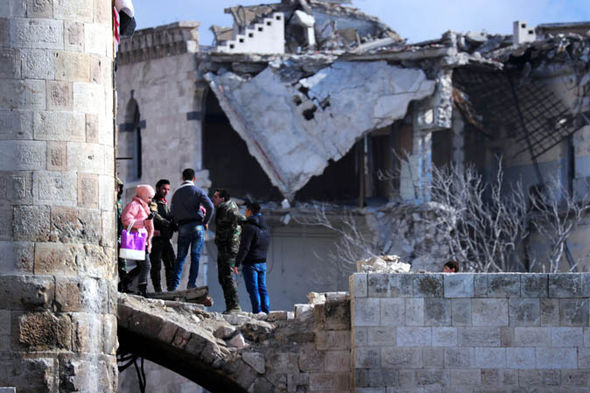
Damascus, Syria — Relief International launched a report today calling for urgent, coordinated action to rebuild Syria’s health system. The international non-profit warns that amid the influx of families returning home, patients are unable to access the care they need. This call comes as top Syrian and EU officials convene in Brussels for their first political dialogue regarding the country’s socio-economic recovery.
Since December 2024, more than three and a half million Syrians have returned to their homes, both from neighboring countries and within Syria. Many are dealing with increased health needs caused by war and worsened by disrupted care.
According to Relief International’s report, 86% of women surveyed said they were experiencing anxiety and psychological distress, driven by exposure to conflict and prolonged displacement. Upon return, these issues are further exacerbated by the near absence of maternal and reproductive care, as well as a lack of services for survivors of gender-based violence and a nationwide gap in mental health support.
Upon returning to rural Damascus, a displaced woman named Sawsan said, “The moment I came back from Idlib, I cried. This is not the home we left behind. There are no proper health services. Even seeing a doctor costs more than what people can afford. We came back to rebuild our lives. Even if we start from zero, we will try again.”
As well as mental scars, 14 years of conflict have left communities with undetected illness, untreated disease, and acute malnutrition. In the town of Al-Tibni in Deir-ez-Zor, where Relief International operates a mobile clinic, 100% of child screened were diagnosed with moderate acute malnutrition.
Petros Passas, Country Director for Relief International in Syria, explained: “Worryingly, only 10% of children under five had been screened in the first place, pointing to a nutrition crisis in Al-Tibni that is far greater than current data reflects. This high prevalence of malnutrition is consistent with conditions across the region and if left unaddressed, children will suffer irreversible consequences.”
Additionally, an estimated 28% of Syrians now live with some form of disability according to UN data. This is nearly double the global average, with many disabilities caused by war. The figure continues to rise amid landmine and unexploded ordnance contamination, yet rehabilitation services are among the most severely under-resourced in Syria.
Relief International, which has supported tens of thousands of Syrian refugees with disabilities living in Türkiye, says that specialized care is critical for long-term recovery. To this end, the organization’s local partner National Syrian Project for Prosthetic Limbs (NSPPL) is linking refugee patients in Türkiye with service providers inside Syria to ensure that case management can be sustained upon return.
Mr Passas continued: “This cross-border model is the kind of continuity-of-care infrastructure that must be built at scale if return to Syria is to be safe, dignified, and durable for the most vulnerable.”
Relief International is supporting over 50 health facilities to deliver integrated health, nutrition, and water services across Syria, including mobile clinics in underserved areas. While actors like Relief International are committed to strengthening Syria’s health system, the organization says a concerted, global effort is required to help the country stabilize and recover.
Addressing leaders meeting in Brussels today, Mr. Passas said: “People are living in and returning to areas where hospitals are destroyed, health workers have fled, medicines are unaffordable, and equipment is out-of-date. Without large-scale and sustained commitment from the international community, Syrians face a very real public health crisis.
“At this moment of hope and transition for Syria, the support of all governments, donors, and actors with power remains crucial. This first high-level political dialogue between Syrian and EU officials is an opportunity to reduce spiraling needs and restore access to essential health services for all Syrians.
“Our ask today is clear: seize this moment to chart an actionable roadmap for recovery that centers Syrians’ health and wellbeing. Sustained investment, an enabling political environment, and support for the Syrian Ministry of Health’s Strategic Plan are critical components to the way forward. Our collective approach must be community-led, inclusive, and based on the priorities of those most affected by the conflict — including women, young people, and displaced populations. Healing Syria begins with healthy Syrians.”